
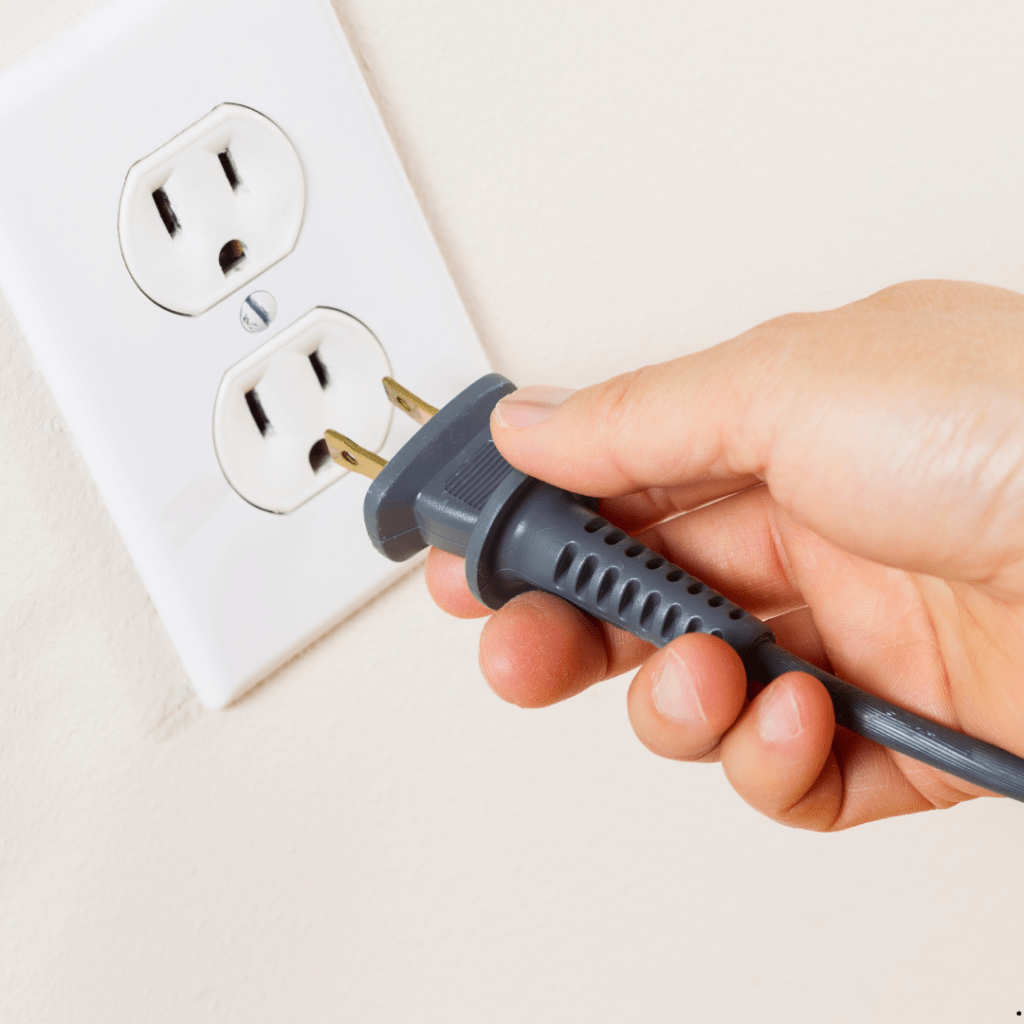
When purchasing a home, especially an older one, you might encounter the term “open ground receptacles” during the inspection process. Understanding what it means is crucial for your safety and peace of mind.
What is an Open Ground Receptacle?
In modern electrical systems, receptacles are designed with three slots: two vertical slots and a round one beneath them. The round slot connects to the grounding system of the home, providing a safe path for excess electricity to travel, thereby preventing electrical shocks.
An open ground occurs when this grounding connection is missing or faulty. This situation often arises in older homes where two-prong outlets (which lack grounding) have been replaced with three-prong outlets without updating the internal wiring to include a ground wire.
Why is Grounding Important?
Grounding serves as a safety feature that directs unexpected electrical surges away from appliances and individuals, reducing the risk of electrical shocks and fires. Without proper grounding, electrical faults may not trigger circuit breakers, leaving dangerous voltages present in the system.
Common Causes of Open Grounds
Open grounds are one of the most common defects we find in older homes. The most common reasons they typically exist are:
- Upgrading Outlets Without Updating Wiring: Replacing old two-prong outlets with three-prong receptacles without adding a ground wire can result in open grounds.
- Disconnected Ground Wires: In some cases, the ground wire may be present but disconnected or broken, leading to an open ground condition.
Potential Risks
An open ground may not seem like a major issue since it is so common, but it can create significant safety hazards in a home. Here are some of the key concerns associated with open ground receptacles:
- Electrical Shock: Without grounding, there is an increased risk of electrical shock when using appliances.
- Damage to Electronics: Sensitive electronic devices may be more susceptible to damage from power surges in ungrounded systems.
Recommended Actions
If an inspection reveals open ground receptacles in your home or one that you’re considering:
- Consult a Licensed Electrician: Have a professional assess the extent of the issue and recommend appropriate solutions.
- Consider Rewiring: In some cases, running new wiring with grounding conductors may be necessary to ensure safety.
- Install Ground Fault Circuit Interrupters (GFCIs): As a temporary measure, installing GFCI outlets can help protect against electrical shock, even in ungrounded systems. However, this does not provide a true ground and should not be considered a permanent solution.
Conclusion
Understanding open ground receptacles is essential for any homebuyer, particularly when considering older properties. Addressing these issues promptly ensures a safer living environment and protects your valuable electronics from potential harm.
How can we help you? At Ohio River Valley Home Inspections, we prioritize your safety and satisfaction. If you have any questions or need assistance with your home inspection needs, please don’t hesitate to contact us.


 Ohio River Valley Home Inspections
Leave a comment