
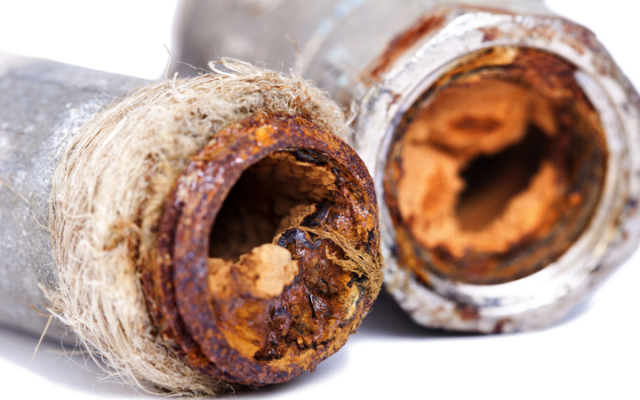
Galvanized steel plumbing is a common feature in many older homes, particularly those built before the 1960s. At first glance, these pipes may appear durable, but beneath the surface, they can pose significant challenges for homeowners.
If your home—or one you’re considering purchasing—still has galvanized plumbing, here’s what you need to know.
What Is Galvanized Plumbing?
Galvanized pipes are steel pipes coated with a layer of zinc through a process called hot-dip galvanization. This coating was designed to prevent corrosion and extend the pipes’ lifespan.
During the late 19th and early 20th centuries, galvanized steel became a popular alternative to lead pipes due to its affordability and durability. However, over time, the zinc coating wears away, leaving the steel underneath susceptible to corrosion and mineral buildup. This has led to numerous issues in older homes that still rely on galvanized plumbing.
Common Issues with Galvanized Pipes
While galvanized plumbing was once considered a reliable option, its long-term performance has proven problematic. Here are some common issues that homeowners may encounter:
1. Rust and Corrosion
Once the protective zinc coating wears away, the steel begins to corrode, leading to rust buildup inside the pipes. This can result in:
- Discolored Water: If your tap water has a brown or reddish tint, rust from corroding galvanized pipes could be to blame.
- Weakened Pipes: Corrosion thins the pipe walls, increasing the likelihood of leaks and pipe failures.
2. Reduced Water Pressure
Over time, mineral deposits and rust can accumulate inside galvanized pipes, narrowing the passage for water. This can lead to:
- Weak water flow in faucets and showers.
- Uneven water pressure throughout the home, making everyday tasks like washing dishes or showering frustrating.
3. Potential for Lead Contamination
While galvanized steel itself does not contain lead, research has identified galvanized pipes as a notable source of lead in drinking water due to the zinc coating inside the pipes. Galvanized pipes were also often connected to lead service lines or fixtures in older homes. As the pipes corrode, they can release residual lead particles into the water supply, posing a serious health risk.
4. Leaks and Pipe Failure
Since galvanized pipes degrade from the inside out, leaks may develop before visible signs of damage appear. These hidden leaks can lead to:
- Water damage behind walls and under floors.
- Mold growth, which can create health concerns and costly repairs.
What Should Homeowners Do About Galvanized Plumbing?
If you suspect your home has galvanized plumbing, here are a few steps to consider:
1. Schedule a Plumbing Inspection
A licensed plumber or certified home inspector can assess the condition of your pipes and determine if they are near the end of their lifespan.
2. Test Your Water
If you experience discolored water or suspect lead contamination, have your water tested for safety. Your local health department can provide information on obtaining a water test kit.
3. Plan for Replacement
If your home has galvanized pipes, replacing them with a more durable material like copper or PEX is a wise investment. While re-plumbing can be costly, it improves water quality, pressure, and long-term reliability.
Understanding the Risks of Galvanized Plumbing
Galvanized plumbing may have been a solid solution in its time, but today it is a common defect in older homes. If you’re buying or currently living in a home with galvanized pipes, understanding the risks allows you to make informed decisions about necessary upgrades.
A thorough home inspection can help identify plumbing concerns before they turn into costly problems. If you need a professional inspection, Ohio River Valley Home Inspections is here to help!
Need more information? Ohio River Valley Home Inspections is here to remove the guesswork with professional expertise that helps you sleep better at night. Check out our Frequently Asked Questions to learn how we can help you take the next step in your home buying journey.


 Ohio River Valley Home Inspections
Leave a comment