
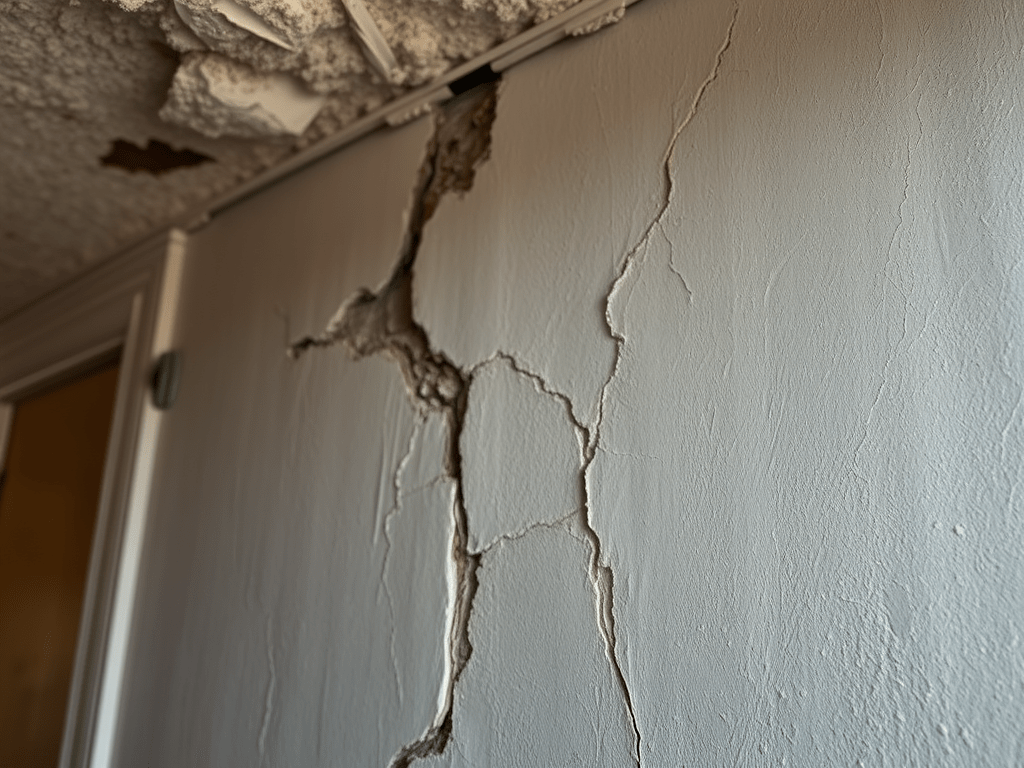
Asbestos is a naturally occurring substance that was once considered a “miracle material” thanks to its fire resistance, strength, and insulating properties. From the early 1900s through the late 1980s, it was widely used in home construction across the United States.
Builders incorporated asbestos into products such as:
- Lath and plaster walls
- Pipe and duct insulation
- Adhesives and tapes (including duct tape)
- Floor tiles and backing materials
- Roofing and siding products
The use of asbestos began to decline in the late 1970s as health concerns grew. By the late 1980s, most new residential uses were banned, though existing asbestos-containing materials remained in millions of homes.
Why Asbestos Is a Health Concern
The danger with asbestos lies not in its presence but in its condition. When asbestos-containing materials (ACMs) remain intact and undisturbed, they are generally not considered hazardous. However, if damaged, sanded, cut, or crumbling, they can release tiny fibers into the air.
When inhaled, asbestos fibers can become trapped in the lungs and cause serious health problems, including:
- Asbestosis – a chronic lung condition caused by scarring of lung tissue.
- Lung cancer – significantly increased risk, especially among smokers.
- Mesothelioma – a rare and aggressive cancer linked exclusively to asbestos exposure.
The long latency period (10–40 years) between exposure and illness makes asbestos particularly concerning.
Where Asbestos May Still Be Found in Homes
1. Lath and Plaster Walls
Homes built before the 1950s often have plaster walls reinforced with asbestos fibers for strength and fire resistance.
2. Heating Ducts and Insulation
Ductwork may have asbestos-containing insulation or cloth-like tape wrapped around seams. Boiler and pipe insulation were also common asbestos products.
3. Flooring Materials
Vinyl floor tiles (especially 9×9 tiles from the 1950s–1970s) and their adhesive “black mastic” often contained asbestos.
4. Ceiling Materials
“Popcorn” ceilings and some ceiling tiles were manufactured with asbestos for fire resistance.
5. Roofing and Siding
Asbestos-cement shingles and siding were used extensively for durability.
Should You Be Concerned If Your Home Has Asbestos?
Finding out your home may contain asbestos can sound alarming, but the presence of asbestos does not automatically make a home unsafe. Remember these key points:
- Safe when undisturbed: If asbestos-containing materials are in good condition, they can often be left alone.
- Risk when damaged: Renovations, drilling, or even normal wear and tear may disturb asbestos and release fibers.
- Testing is key: The only way to confirm asbestos is through a laboratory test of a material sample.
What Home Buyers and Owners Should Do
If you suspect asbestos in your home:
- Do not disturb it. Avoid sanding, cutting, or removing suspected asbestos materials yourself.
- Consult a professional. A licensed asbestos abatement contractor can safely test materials and recommend solutions.
- Plan ahead if remodeling. Renovation projects are the most common way asbestos is disturbed.
- Budget accordingly. If removal is necessary, costs can vary depending on the material and extent of contamination.
FAQs About Asbestos in Homes
1. Is asbestos always dangerous?
Not necessarily. Asbestos is most dangerous when it becomes airborne due to damage or disturbance.
2. Can a home inspection confirm asbestos?
No. General home inspections cannot confirm asbestos. A lab test is required.
3. Is it safe to buy a home with asbestos?
Yes—many older homes contain asbestos. The key is knowing its location and condition, then managing it properly.
4. Can I remove asbestos myself?
DIY removal is strongly discouraged. Improper handling can release fibers and create serious health risks. Always use a licensed abatement contractor.
5. How much does asbestos removal cost?
Costs vary widely depending on the material and square footage. It’s best to get multiple quotes from licensed contractors.
6. What if I want to remodel my home?
Before starting a renovation, have any suspicious materials tested so proper precautions can be taken.
Conclusion: Awareness Is the Best Protection
Asbestos is part of the hidden history of many American homes. While its dangers are real, they can be managed with knowledge and professional guidance. If you suspect asbestos in your home, or if you’re buying a home built before the 1980s, understanding the risks is the first step in protecting your health and your investment.
For more information about asbestos safety and abatement, visit the EPA’s asbestos resource page.
Your peace of mind is our business. At Ohio River Valley Home Inspections, we’re committed to helping homeowners and buyers make informed decisions that protect their investments and keep their families safe. Check out our frequently asked questions to learn more.


 Ohio River Valley Home Inspections
Leave a comment