

Wood-burning stoves can be a great way to heat your home, but they can also create real fire and carbon monoxide risks if they are not installed, used, and maintained correctly. This guide gives you simple, research-based safety tips to keep your home not just warm and toasty, but safe and secure.
1. Before You Use Your Stove
Have the installation checked
If you did not have the stove installed by a qualified professional, or if you’re not sure how it was installed, it’s wise to have it inspected. National fire safety standards (NFPA 211) set rules for how chimneys, vents, and solid-fuel appliances like wood stoves should be installed to reduce fire risk.
Good practice:
- Have the stove, flue pipe, and chimney inspected by a qualified wood-stove installer or certified chimney sweep before the heating season and after any changes or damage (read more here).
- Make sure the stove sits on a non-combustible hearth or stove board to protect the floor from heat and stray embers (learn why here).
Keep safe clearances
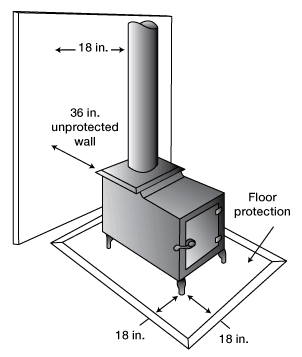
Fire agencies and insurance experts referencing NFPA guidelines note that wood stoves should be kept well away from anything that can burn. Many safety sheets recommend:
- At least 3 feet of space between the stove and anything that can burn (furniture, curtains, wood trim, etc.).
- Around 36 inches of clearance from walls and ceilings, or as required by the manufacturer and local code.
Always follow your stove manufacturer’s manual first. If there’s a conflict, local code and the manufacturer instructions win.
2. Use the Right Fuel
Burn only dry, seasoned firewood
Burning the right fuel reduces smoke, creosote, and the risk of chimney fires.
Experts recommend:
- Use seasoned firewood that has been dried for at least about 6 months.
- Store wood under cover and off the ground so it stays dry.
- Hardwoods (like oak, maple, hickory) usually burn longer and cleaner than softwoods.
Never burn trash or treated materials
The U.S. Environmental Protection Agency warns against using your stove as a trash burner.
Do not burn:
- Trash, cardboard, or magazines
- Pressure-treated, painted, or stained wood
- Plywood, particle board, or glued/engineered wood products
- Plastics or other household waste
These elements can release toxic chemicals, damage your stove, and increase creosote (a flammable buildup in the chimney).
3. Daily Safe-Use Habits
Keep the area clear
The U.S. Fire Administration advises keeping anything that can burn at least 3 feet away from all heat sources, including wood stoves.
- Keep furniture, kids’ toys, clothes, firewood stacks, and decorations out of this 3-foot “safety zone.”
- Don’t dry clothes on or near the stove.
Start and run the fire correctly
- Use kindling and small pieces of wood to start the fire.
- Never use gasoline, lighter fluid, or other flammable liquids to start or boost a fire (find out why here).
- Keep air inlets open enough to maintain a hot, clean-burning fire. Restricting air too much can cause smoky fires and heavy creosote buildup (learn more here).
Put the fire out before bed or leaving home
Fire safety agencies stress that you should fully extinguish the fire before going to sleep or leaving the house.
- Let the fire burn down on its own.
- Spread the remaining coals and let them cool inside the stove with the door closed and air inlets as recommended by the manufacturer.
4. Ash Handling and Disposal
Hot ashes are a common cause of house fires. Even if they look cold, embers can stay hot for days.
The U.S. Fire Administration further recommends:
- Use a metal container with a tight-fitting lid.
- Place the ash container outside, on bare ground or concrete, at least 10 feet away from the house, deck, or other structures.
- Never put ashes in cardboard boxes, plastic containers, or paper bags.
- Do not store the ash bucket in a garage, on a porch, or near firewood piles or other combustibles.
Once the ashes are completely cold, you can safely dispose of them according to your local rules.
5. Chimney and Stove Maintenance
Annual inspection and cleaning
Creosote can build up in your chimney and flue whenever you burn wood. It is highly flammable and a common cause of chimney fires. Fire agencies and chimney organizations recommend:
- Have your chimney, flue, and stove inspected at least once a year by a qualified professional (often a chimney sweep certified by the Chimney Safety Institute of America or similar).
- Clean the chimney at least once a year and more often if you use the stove heavily.
A professional inspection checks for:
- Creosote buildup
- Cracks, leaks, or warping
- Loose or damaged flue liners or pipes
- Animal nests or other blockages
Check gaskets and parts
The EPA advises checking door gaskets and other seals yearly and repairing or replacing any that are worn out. This helps keep the stove operating safely and efficiently.
6. Smoke and Carbon Monoxide (CO) Alarms
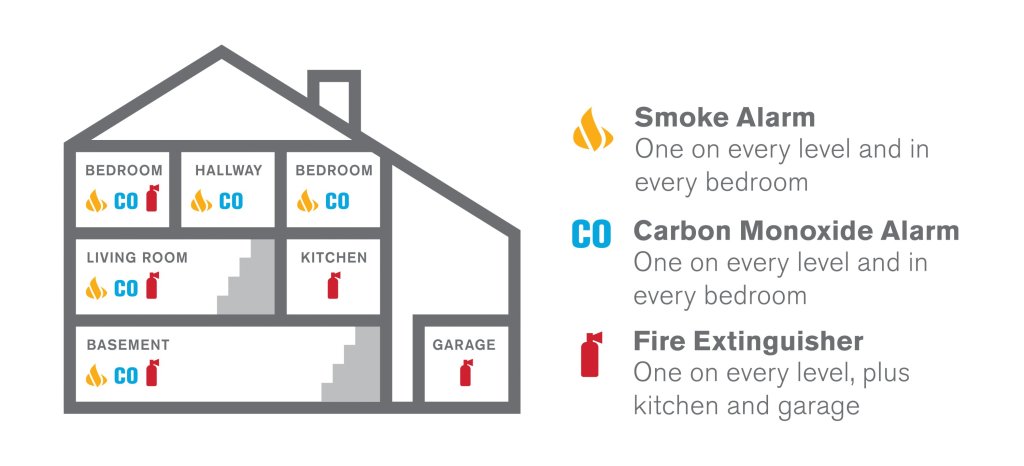
Any fuel-burning appliance can produce carbon monoxide if it is not venting properly. The U.S. Fire Administration recommends:
- Smoke alarms on every level of your home, inside each sleeping area, and outside each sleeping area.
- Carbon monoxide alarms on every level and outside sleeping areas.
- Test alarms monthly and replace batteries as recommended. Replace the entire alarm unit when it reaches the end of its service life (usually 7–10 years, depending on the model).
If a CO alarm sounds, get everyone outside to fresh air and call 911.
7. Watch for Warning Signs
Stop using the stove and call a qualified professional if you notice:
- Smoke entering the room instead of going up the chimney
- Strong, unusual smells from the stove or chimney
- Visible cracks in the stove, flue pipe, or chimney
- Excessive soot or creosote around the stove or on the roof
- A roaring sound in the chimney (this can be a sign of a chimney fire)
EPA guidance states that if you smell smoke in your home, you should shut down the appliance, open a window, check the venting system, and contact a professional.
In any suspected fire or CO emergency, leave the home and call 911.
8. Follow the Manual and Local Codes
This article gives general safety guidelines based on national fire-safety organizations and government agencies, but it does not replace:
- Your wood stove manufacturer’s instructions
- Local building and fire codes
- Advice from qualified installers and chimney professionals
Always follow those first. If anything in this article conflicts with your manual or local code, the manual and code take priority.
Final Thoughts
A wood-burning stove can be a safe and dependable heat source when it’s:
- Installed correctly
- Operated with care
- Cleaned and inspected regularly
If you’re unsure about any part of your system, it’s always better to ask a qualified professional before lighting the next fire.
Have other questions? At Ohio River Valley Home Inspections, we’re here to help you understand every part of your home so you can make confident decisions now and in the future. Feel free to contact us with any of your home buying or home maintenance needs.


 Ohio River Valley Home Inspections
Leave a comment