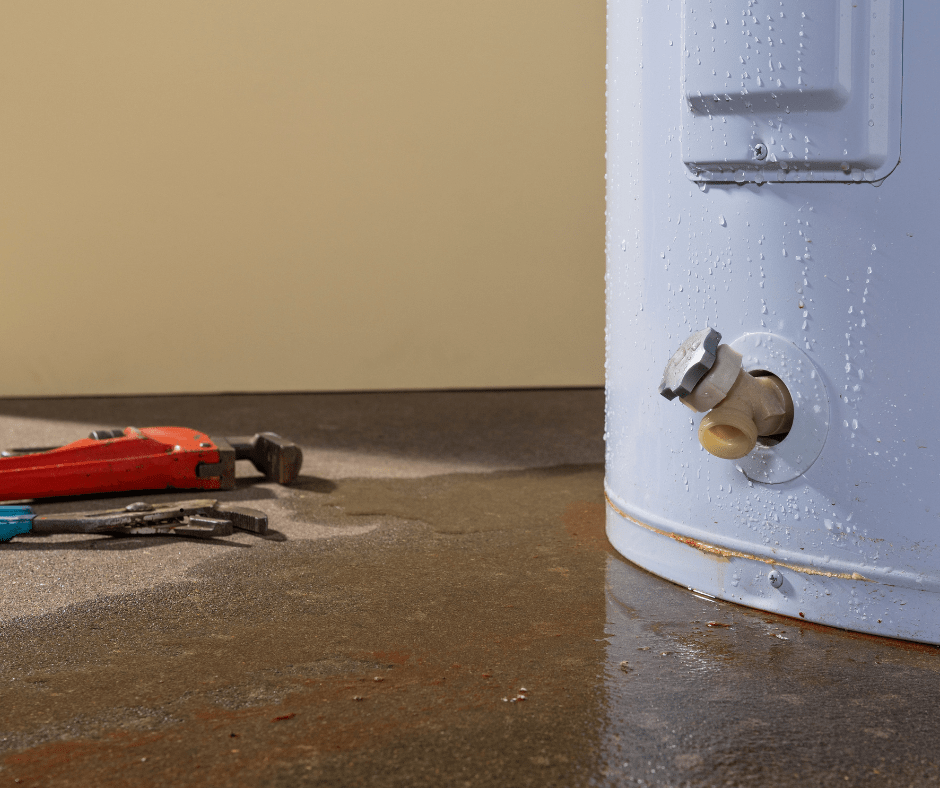
One of the most overlooked appliances in your home is the water heater.
Your water heater quietly does its job every day, keeping your showers warm and your dishes clean. But without regular maintenance, it can lose efficiency, develop problems, or even fail prematurely.
Don’t make the mistake of not thinking about your water heater until it stops working for you. Follow these maintenance tips to keep your water heater running safely and efficiently for years to come.
General Maintenance Tips for All Water Heaters
Over time, sediment can build up in your water heater, valves can corrode, and efficiency can drop. These issues often go unnoticed until you suddenly find yourself without hot water. Fortunately, a few annual checks can help prevent many of these problems.
1. Keep the Area Clear
Ensure there is at least two feet of clearance around your water heater. This helps with airflow (especially for gas units) and allows for easy inspections.
2. Set the Right Temperature
A temperature setting of 120°F is ideal. It’s hot enough for daily needs but reduces the risk of scalding while keeping your energy bill low.
3. Conduct a Visual Inspection
Check the tank and surrounding area for rust, pooling water, or corrosion. Catching small issues early can prevent bigger problems later.
4. Flush the Tank Once a Year
Sediment can accumulate at the bottom of the tank and impact performance. If sediment builds up too much, you might even hear a knocking sound coming from your water heater during operation. The way to avoid this situation is to drain a few gallons from the tank using the drain valve. Shut off the cold water supply first. If the water appears dirty or gritty, then keep going until it runs clear.

5. Test the Temperature and Pressure Relief (TPR) Valve
The TPR valve is a critical safety component designed to release excess pressure from the tank if temperatures or pressure get too high. It’s essential to ensure that it’s functioning correctly.
Place a bucket under the discharge pipe and gently lift the valve’s lever. A short burst of air and water should release. If it doesn’t, or if the water continues to run after you close the valve, then the hardware should be replaced.
Be careful when you perform this step, because the water that comes out could be very hot. Make sure the valve and overflow pipe are uncapped and facing toward the ground before you open the valve.
Maximizing Your Water Heater’s Efficiency
Beyond these simple maintenance items, here are a few tips to help you get the most our of your water heater.
Insulate the Tank and Pipes
- Wrapping the unit with an insulating blanket can reduce energy loss. Just be sure not to cover the thermostat or burner area, and to remove the blanket periodically to inspect for any signs of leaking.
- Wrap any exposed hot water pipes with foam insulation or heat-resistant fiberglass pipe wrap for gas units. Insulated pipes can reduce standby heat loss and improve the overall efficiency of your system.
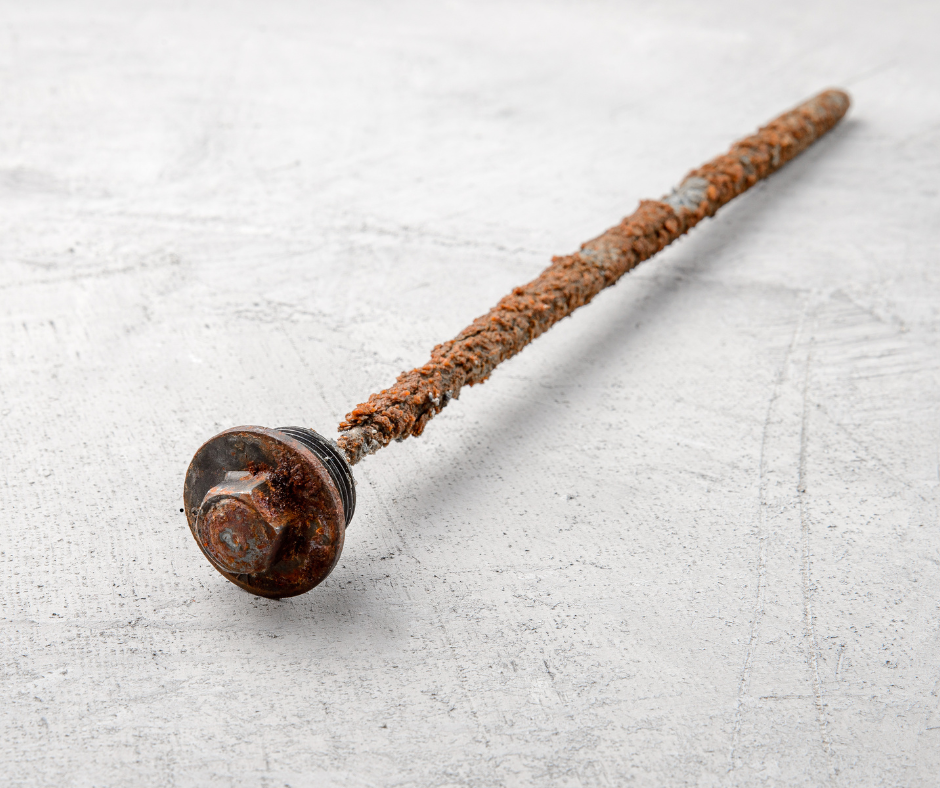
Inspect the ANODE ROD Every 3 Years
Anode rods prevent water heater tanks from rusting, but they deteriorate over time.
If your rod is corroded or thinned to less than ½ inch like the one in this picture, then it should be replaced.
This step can significantly extend the life of your water heater.
Specific Tips for Gas Water Heaters
There are a few key differences between gas-fired and electric water heaters. Be sure to keep these tips in mind if you have a gas unit.
- Check the Pilot Light: A healthy flame will be solid and look blue. A yellow or flickering flame may indicate combustion issues that should be evaluated by a specialist.
- Inspect the Venting: Look for disconnected, rusted, or obstructed vent pipes. As a general rule, horizontal exhaust flue pipes should slope upward at least 1/4″ per foot.
- Be Mindful of Gas Smells: Natural gas is odorless, so the utility provider adds a chemical that gives it a “rotten egg” smell as a safety measure. If you ever detect a sulfuric or rotten odor near your water heater (or any gas-fired appliance, for that matter), then you should leave the area immediately and contact your gas provider.
Specific Tips for Electric Water Heaters
Electric water heaters are a bit simpler, but there are still certain safety issues you should keep in mind.
- Turn Off Power Before Maintenance: Always shut off the breaker to your water heater before inspecting or draining the unit.
- Watch for Heating Issues: If your water isn’t getting as hot as it used to or is taking longer than usual to heat, then your heating elements may need attention.
When to Call a Professional
Many of these tasks are homeowner-friendly but always remember that your safety comes first. If you notice any issues that are beyond your ability to address, or if you’re just not sure what to do, then it may be time to schedule a service call with a licensed plumbing contractor.
Final Thoughts
Regular water heater maintenance is one of the simplest ways to ensure comfort, efficiency, and peace of mind in your home. With just a little effort each year, you can protect your investment and avoid any unwanted cold surprises.
How can we help? Ohio River Valley Home Inspections is here to remove the guesswork with professional expertise that helps you sleep better at night. Check out our Frequently Asked Questions to learn more about how we can help you take the next step in your home buying journey.


 Ohio River Valley Home Inspections
Leave a comment